The Year Australia Redefined International Education
 2 Min Read
It has been a year of profound transformation for Australia’s international education sector. From the corridors of power in Canberra to the lecture halls of Perth, the landscape for overseas students has been reshaped by bold policy shifts and a renewed focus on integrity. Here is a look back at the ten defining moments of the year.
1. The Federal Election Outcome: The return of the Labor government provided a sense of continuity for the sector. While it removed the threat of even more drastic Coalition-proposed student caps, it left many institutions assessing what long-term government oversight would mean for their growth strategies and international student recruitment pipelines.
2. A Dedicated Education Minister: Julian Hill’s appointment as Assistant Minister for International Education gave the sector a clear political voice. Hill has been vocal about cleaning up the industry, focusing heavily on “integrity” and ensuring that the student visa system is not exploited as a backdoor for low-skilled labour.
3. The World’s Most Expensive Visa: In a move that shocked the industry, the cost of an Australian student visa surged to AUD$2,000. Stakeholders, particularly in the English language (ELICOS) sector, expressed deep concern that these “extortionate” fees would deter genuine, short-term students and damage Australia’s reputation for being a welcoming destination.
4. The Closure of PICE in Perth: The shutting of the Perth International College of English (PICE) became a poignant symbol of the year’s challenges. It highlighted how tightening visa settings and rising costs can have devastating effects on long-standing, quality providers that form the backbone of the smaller education niches.
5. Creation of the ATEC Watchdog: The Australian Tertiary Education Commission (ATEC) began interim operations this year. This new body is set to centralise the planning and regulation of the entire post-school education system, marking a massive shift toward a more “managed” and government-regulated era for universities and colleges.
6. Raising the Enrolment Ceiling: The government effectively raised the international student enrolment limit to 295,000 places. While this provided some breathing room for larger universities, it also sparked a complex debate about “winners and losers,” as smaller vocational providers felt the squeeze of more rigid allocation quotas.
7. The Passing of the Integrity Bill: Major legislation passed this year to crack down on “quick-buck” operators. The Bill grants the government expanded powers to cancel courses and penalise agents or providers engaging in deceptive practices, fundamentally aiming to protect the prestige of an Australian qualification on the global stage.
8. New Student Visa Directives: Ministerial Direction 115 replaced the older MD 111, refining how visas are processed. The new directive prioritises providers who stay within their allocated “Overseas Student Commencement” numbers, effectively rewarding institutions that align with the government’s vision for a more controlled and sustainable student intake.
9. Sector Leaders Honoured at PIE Live: The PIE Live Asia Pacific 2025 conference in the Gold Coast served as a vital forum for reflection. The Lifetime Impact Awards recognised individuals who have shaped the industry over decades, providing a necessary reminder of the human passion and expertise behind the policy headlines.
10. Can Australia Remain Competitive?: A central theme of the year was the ongoing debate over whether Australia can thrive in this new “managed” era. Industry experts remain divided on whether high regulation and costs will eventually drive students toward competitors like Canada, the UK, or the United States.
As 2025 draws to a close, the Australian international education sector stands at a crossroads. The transition from “growth at all costs” to a “quality-first” framework has been painful for some, but many believe it is the only way to safeguard the nation’s reputation in the long run. As the new regulations settle, the coming year will reveal whether this more disciplined approach can truly balance national interests with the needs of a thriving, diverse global student community.
Source: THE PIE NEWS
Top Stories

The Cost of Ambition: Why the UK’s New Visa Rules are Shutting Out Global Talent
February 23, 2026 | By Vaidant
Australia’s Universities: Relying on Global Talent to Keep the Lights On
February 24, 2026 | By Ezra
A Bridge Across Continents: McGill’s New £9.8m Alliance with UAE and Indonesia
February 20, 2026 | By NeeravMore Articles

UK Updates Immigration and Nationality Fees from April 2026
The UK government has introduced updated immigration and nationality fee structures set to take effect…
By Jace

Indonesia Proposes Bold Visa Reforms to Become Asia’s Next Study Hub
Indonesia is preparing to dismantle the “heavy administrative burdens” currently facing international students as it seeks to…
By Ezra
A Door Slams Shut: UK Denies Visa Exemptions for Prestigious Chevening Scholars
In a move that has sent shockwaves through the international academic community, the UK Home Office has formally rejected…
By Kai

New Zealand Introduces Updated Post-Study Work Visa Options to Support International Graduates
ew Zealand has announced a series of new and updated post-study work visa options aimed at strengthening opportunities for…
By Henry

Doors Close for Students from Conflict Zones as UK Pulls ‘Emergency Brake’ on Visas
The UK government has taken the unprecedented step of suspending study visas for nationals from…
By Jace

Safety First: Middle Eastern Classrooms Move Online Amid Rising Tensions
Across the Middle East, the familiar hum of the morning school run has been replaced by the soft glow of…
By Neerav

Australia Doubles Post-Study Work Visa Fees in ‘Overnight’ Budget Blow
In a move that has sent shockwaves through the international education sector, the Australian…
By Daniel

Canada’s International Student Numbers Plunge by 60% as Policy Shifts Bite
The landscape of Canadian higher education is undergoing a seismic shift. New data reveals that international student…
By Ezra
The Cost of Ambition: Why the UK’s New Visa Rules are Shutting Out Global Talent
The dream of building a career in the UK is becoming an expensive gamble for international students. While the UK…
By Vaidant
Australia’s Universities: Relying on Global Talent to Keep the Lights On
The latest figures from the Australian higher education sector have painted a sobering picture of a system under immense…
By Ezra
A Bridge Across Continents: McGill’s New £9.8m Alliance with UAE and Indonesia
In a significant move for international education, McGill University has announced a landmark trilateral partnership with…
By Neerav

A Bridge of Minds: Indian Academic Leaders Touch Down in the UK
The landscape of international education is shifting from simple student exchanges to a…
By Advay

Broken Dreams: The Pakistani Students Left in Limbo by UK Visa Delays
For hundreds of ambitious students across Pakistan, the dream of a British education is curdling into a…
By Jace

The Human Element: How India’s Students are Powering AI Revolution
India is standing at the threshold of a historic technological boom, with experts predicting the nation could…
By Ezra

Master’s Union: The Maverick Business School Set to Secure University Status
The traditional lecture hall is getting a long-overdue makeover. Master’s Union, the Gurugram-based business school that…
By Aahana

Study Visits to Uzbekistan Surge by 54% in 2025 as International Interest Grows
Uzbekistan has recorded a sharp rise in international education-related travel, with 37,200 foreign citizens…
By Henry

Budget 2026: Your Study Abroad Dreams are Set to Become More Affordable
In the 2026 Union Budget, the Indian government proposed a significant tax reform that act as a breath of fresh air for…
By Aahana

Asian Stakeholders Spot Fresh Opportunities in the UK’s Renewed International Education Strategy
Education leaders across Asia are pointing to renewed opportunity following the United Kingdom’s updated International…
By Daniel

OTHM Qualifications Aim to Build Global Trust Through Regulated Quality and Accessible Pathways
As global demand for recognised and flexible vocational education grows, OTHM Qualifications is positioning itself…
By Kai
US Higher Education Sector Backs Harvard in Legal Fight to Protect International Students
A broad coalition of major US higher education associations has stepped forward in support of Harvard University as…
By Henry

Proposed UK Student Levy Could Undermine Exchange Programmes and Outward Mobility
Concerns are rising across UK higher education over a proposed international student levy that could unintentionally damage…
By Siya

Interest from Nigerian Students in US Study Falls by Over 50% as Alternatives Gain Appeal
Interest among Nigerian students in pursuing higher education in the United States has fallen by more…
By Advay

US Congress Proposes $667 Million Boost for Study Abroad Funding
The United States Congress has moved to allocate a substantial USD $667 million to support study abroad and international exchange…
By Daniel

Asia Eyes Growth and Innovation to Shape the Future of International Education
As the global landscape of international education continues to evolve, 2026 is shaping up as a pivotal year…
By Jace

Harvard Sees Record International Enrolments Despite Political Pressure
Harvard University has reported a notable increase in international student enrolment for the current academic…
By Ezra

Modi Urges Top German Universities to Open Campuses in India to Boost Global Education Links
Prime Minister Narendra Modi has made a significant appeal to leading German universities to establish campuses in…
By Aahana

Crossing the Atlantic: What 2026 Holds for International Students in the US
The landscape of American higher education is undergoing a profound transformation as we move…
By Jace
Australia’s Education Sector Calls for ‘Stability First’ to Rebuild Global Trust in 2026
The Australian international education sector is entering 2026 with a singular, urgent plea for…
By Henry

US Court Backs Trump’s Decisive Move to Hike H-1B Visa Fees to $100,000
In a landmark ruling that has sent ripples through the global tech community, a federal…
By Ezra

A Landmark Year: How the Middle East Redefined Global Education in 2025
As 2025 draws to a close, the Middle East and North Africa (MENA) region is celebrating a transformative year…
By Neerav

Global Student Numbers Set to Hit 8.5 Million by 2030 Despite Growing Pains
The international education sector is on the verge of a massive expansion, with the number of students studying…
By Daniel
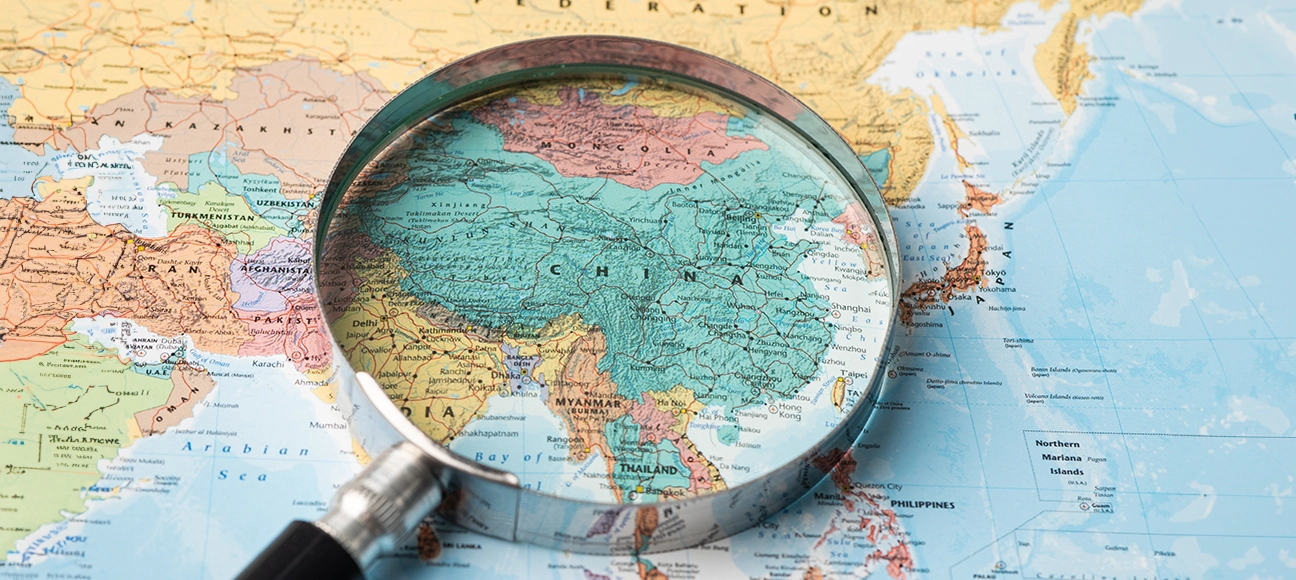
South Asia Education Review 2025: Key Stories and Emerging Trends
The landscape of international education in South Asia saw major shifts in 2025. While the desire to study abroad…
By Ezra

Top 10 European International Education News Stories of 2025
The landscape of international education in Europe shifted significantly in 2025. From new taxes…
By Jace

Indian University Enrolments Abroad Fall for First Time in Three Years
For the first time in three years, the rapid surge of Indian students heading to international universities has…
By Aahana

Doors to Russia Open Wide: New Entrance-Exam-Free Scholarships Announced for Indian Students
In a move set to further strengthen the long-standing educational ties between New Delhi and Moscow…
By Henry

US States Launch Legal ‘War’ Over $100,000 Visa Fee Hike
The battle for global talent has moved from the boardroom to the courtroom. A coalition of 20 US…
By Kai

A Helping Hand for India’s Brightest: British Council Unveils 2026-27 GREAT Scholarships
The dream of walking through the historic halls of a British university has just become a…
By Advay

Germany Becomes a Top Destination as International Student Numbers Surge
Germany has officially cemented its reputation as a powerhouse for global…
By Neerav

Bright Spots for Canadian Universities as Student Visa Approvals Bounce Back
After half a decade of tightening belts and mounting hurdles, Canada’s universities are finally seeing…
By Ezra
Why Chinese Students are Trading Global Ambitions for Local Roots
For decades, the standard path for China’s brightest minds was simple: study hard, head to a prestigious Western university, and…
By Siya

US Travel Ban Expansion: A New Chapter of Uncertainty for Global Students
The landscape of international education has been shaken once again as President Donald Trump announced a significant expansion…
By Jace

New Horizons: UK to Rejoin Erasmus+ Exchange Programme in 2027
In a move that has sparked widespread celebration across the education sector, the UK government has officially confirmed…
By Aahana

The Great Freeze: 75% of Canadian Universities Hit by International Student Slump
Canada’s long-standing reputation as a premier destination for global education is facing a significant test. According to…
By Ezra

UK Exams Watchdog Hits Pearson with £2 Million Fine Over Regulatory Failures
The UK’s exam regulator, Ofqual, has issued a series of heavy financial penalties to the education giant…
By Daniel

Passport to Promotion: Why Studying Abroad is a Career Game-Changer
For years, the “year abroad” was often seen as little more than a chance for students to find themselves, explore new…
By Siya

The American Dream in Doubt: Nine in Ten International Students Fear for US Visa Status
The pursuit of an American education, a symbol of opportunity for millions across the globe, is now shadowed by a…
By Henry

US Visa Delay Disaster: New Vetting Leaves Indian Graduates Stranded Until Summer 2026
For thousands of Indian students and recent graduates dreaming of a US career, a sudden and alarming policy change has turned…
By Vaidant
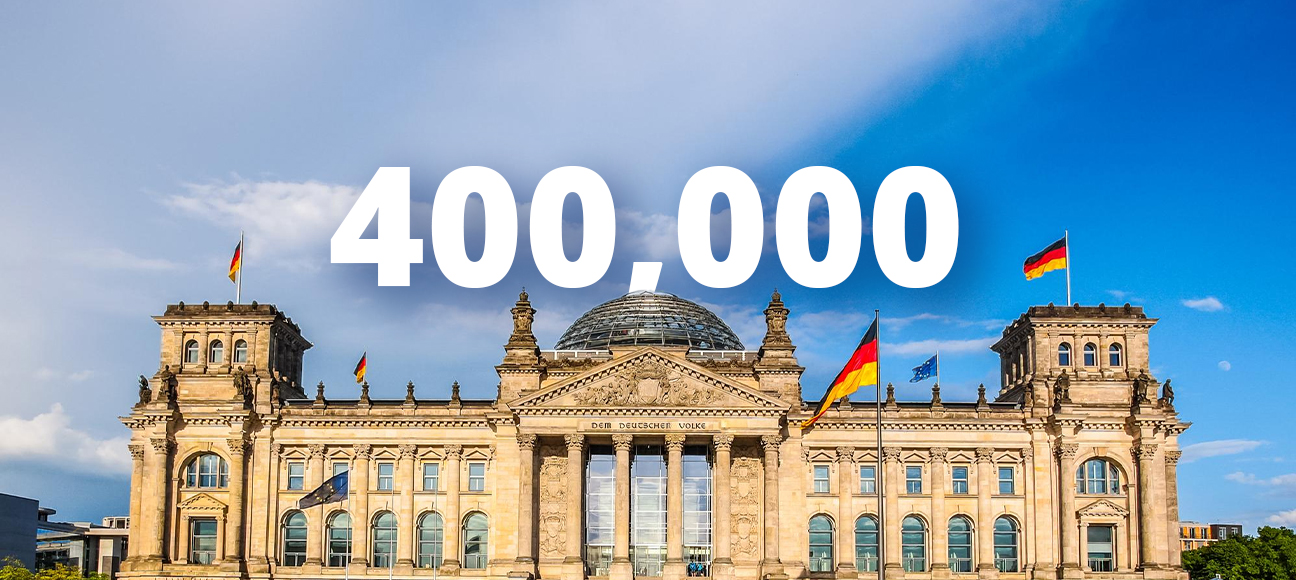
Germany Hits 400,000 Milestone: International Student Numbers Surge
Germany has cemented its status as one of the world’s most attractive destinations for higher education, after recent figures revealed…
By Jace

UK Universities Face Second-Year Slide in International Postgraduates
The welcome mats are feeling a little less crowded at Britain’s universities this autumn, as figures confirm a second…
By Ezra

The End of the Gold Rush? North America’s Overseas University Campuses Face a Reckoning
The glittering promise of Transnational Education (TNE); establishing fully-fledged university campuses abroad, appears to…
By Advay

Canada’s CAD$1.7bn Bid for Global Brainpower
In a significant move signalling its ambition to become a global research titan, Canada has unveiled a colossal…
By Siya

UK Government Cracks Down on ‘Rogue’ University Franchises
The UK Government is finally taking decisive action to clean up a murky corner of the higher education…
By Henry

Aussie Academics Boost Sri Lankan Higher Education with Third University Campus
The landscape of higher education in Sri Lanka is undergoing a transformative shift as Charles Sturt University (CSU) prepares…
By Jace

Australian Minister Praises Surge in Indian Students, Calls Out Shady Agent Practices
The Assistant Minister for International Education, Julian Hill, has celebrated the impressive contribution of Indian students…
By Kai
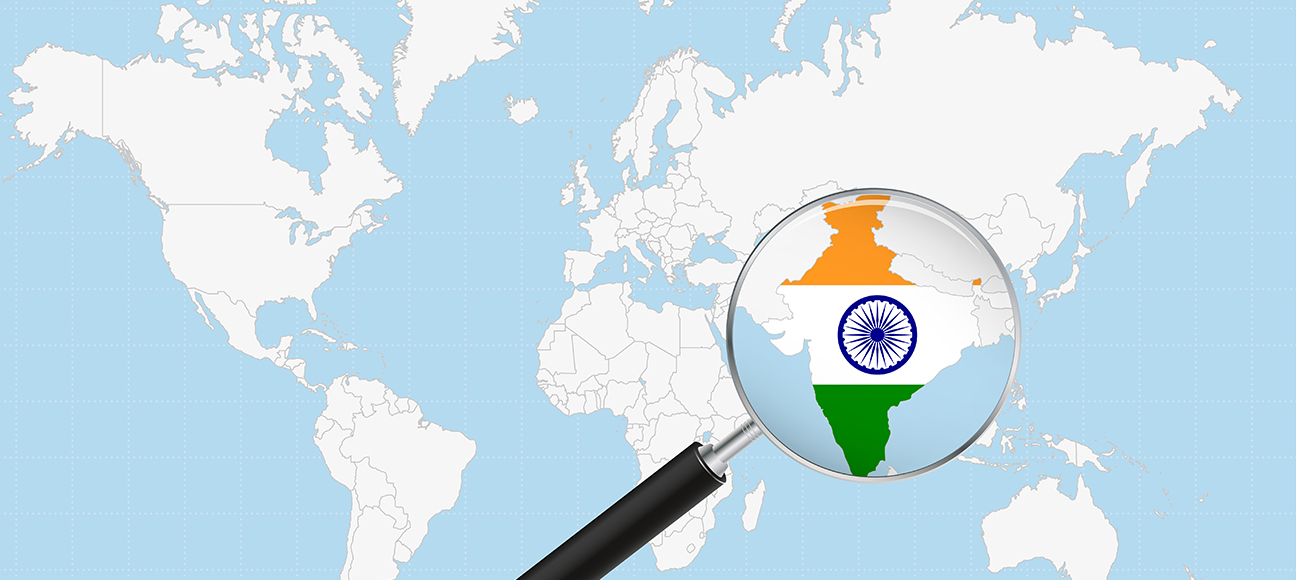
Sciences Po Turns the Spotlight on India in Ambitious French Education Drive
France’s prestigious social science institution, Sciences Po, is making a significant and deliberate push into…
By Neerav

Tech Titans Team Up: SAP and SRH University Forge Groundbreaking Digital Skills Partnership
The global technology skills gap is a pressing issue, but a major new partnership between the software giant SAP and…
By Daniel

US Travel Ban Expansion Threatens Global Education Hopes
The United States is poised to dramatically widen its existing travel ban to encompass more than 30 countries, a…
By Aahana
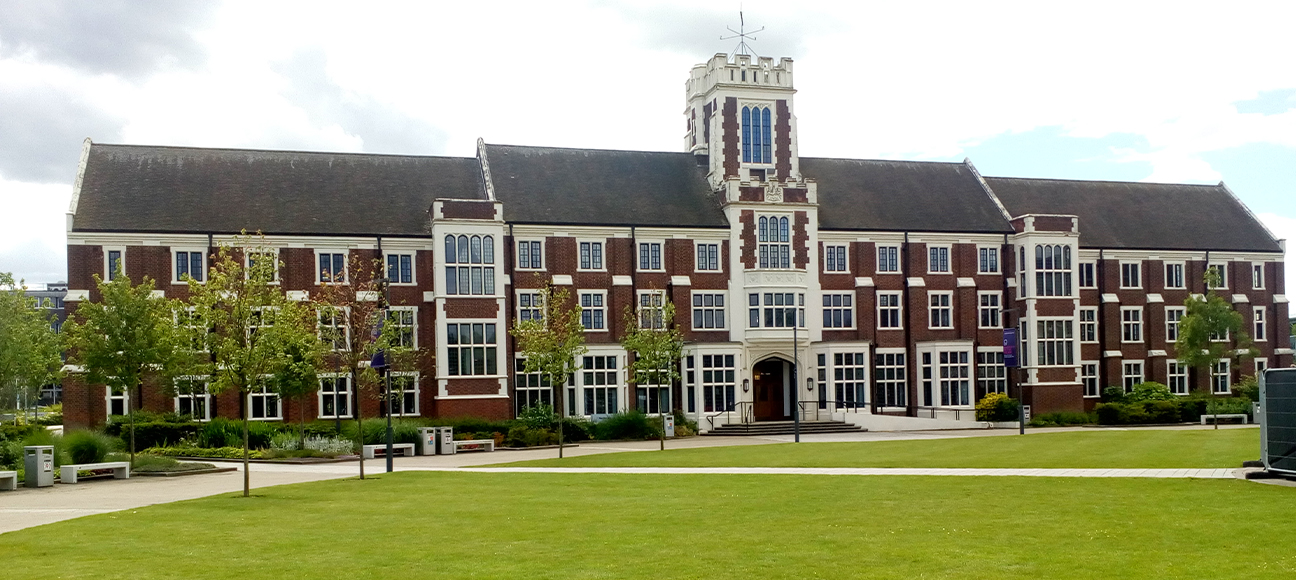
Loughborough Opens the Doors: UK’s First US-Style Sport Showcase for Global Student-Athletes
Loughborough University, the undeniable powerhouse of UK sport, is set to make history by hosting a landmark recruitment…
By Siya

Essex Uni Axes Southend Campus Amid Financial Storm
The University of Essex has delivered a devastating blow to staff and students, announcing the closure of its…
By Jace

Regulatory Crisis: Visa Uncertainty and Funding Mandates Strain US University Business Models
American universities are bracing themselves for a potential crisis as they struggle to manage the impact of…
By Henry

Wales Rolls Out the Welcome Mat: No Extra Tax on International Students
In a move that strongly differentiates its approach from Westminster’s, the Welsh Government has confirmed that…
By Vaidant

US Early Decision System Leaves International Students in a ‘Gamble’
The highly competitive world of US university admissions is creating an impossible bind for international students, with the…
By Neerav

Japanese Giant Snaps Up Australia’s Top Student Accommodation Provide
In a significant cross-border move cementing the global appeal of Australia’s education sector, Japanese…
By Kai

The Great Indian Student Exodus: Are Tougher UK Visa Rules Shutting the Door on Britain’s Global Talent?
The United Kingdom is witnessing a dramatic shift in its migration landscape, with Indian nationals now…
By Advay

Kiwis and Classrooms: How Foreign Students are Boosting New Zealand’s Economy by NZ$4.5 Billion
The latest figures paint an exceptionally sunny picture for New Zealand’s international education sector, which is…
By Henry

US Tax Essentials for Indian Students on F-1 and J-1 Visas
Indian students heading to the United States on F-1 (student) or J-1 (exchange visitor) visas must navigate…
By Aahana

US Bill to Double H-1B Visas: A Major Boost for Indian Students and Professionals
The landscape for Indian professionals and students seeking work in the United States could soon be…
By Ezra
New Zealand’s Tertiary Education Strategy: A Blueprint for Future Success
New Zealand has launched its ambitious Tertiary Education Strategy (TES) for 2025–2030, a vital blueprint for equipping…
By Daniel

Beyond the Border: US Students Seek Safety and Stability in Foreign Education
A significant and deeply human shift is reshaping the international education landscape, as a growing…
By Siya

UK Home Office Set to Revolutionise English Testing with ‘Digital-First’ Remote Exams
The UK Home Office is pressing ahead with ambitious plans to modernise the English language testing required for many…
By Advay

Swiss Expertise to Supercharge Saudi Hospitality: A €140m Investment in Future Talent
A groundbreaking partnership, worth approximately €140million (SAR 600 million), has been forged between…
By Ezra

US Universities Face $1 Billion Hit as Overseas Student Numbers Plummet
The prestigious world of US higher education is reeling from a significant economic blow, with a sharp drop…
By Henry

Trump Proposes Sweeping, Permanent Pause on Migration from ‘Third World Countries’
The political landscape in the United States has been shaken once more as President Donald Trump announced…
By Vaidant

Kiwi Dream: New Zealand’s Student Visa Success Rate Soars Despite Application Dip
The pursuit of an education in New Zealand appears to be smoother and more certain for international students, even as…
By Kai

Canada’s Student Cap: Sector Warns Reduced Target is Still Out of Reach
The Canadian government’s attempt to cool down its international student programme is facing a sharp reality…
By Siya

Australia Pushes Controversial Education Overhaul Through Senate
The Australian government has finally managed to push its hotly contested education reform bill through the…
By Henry
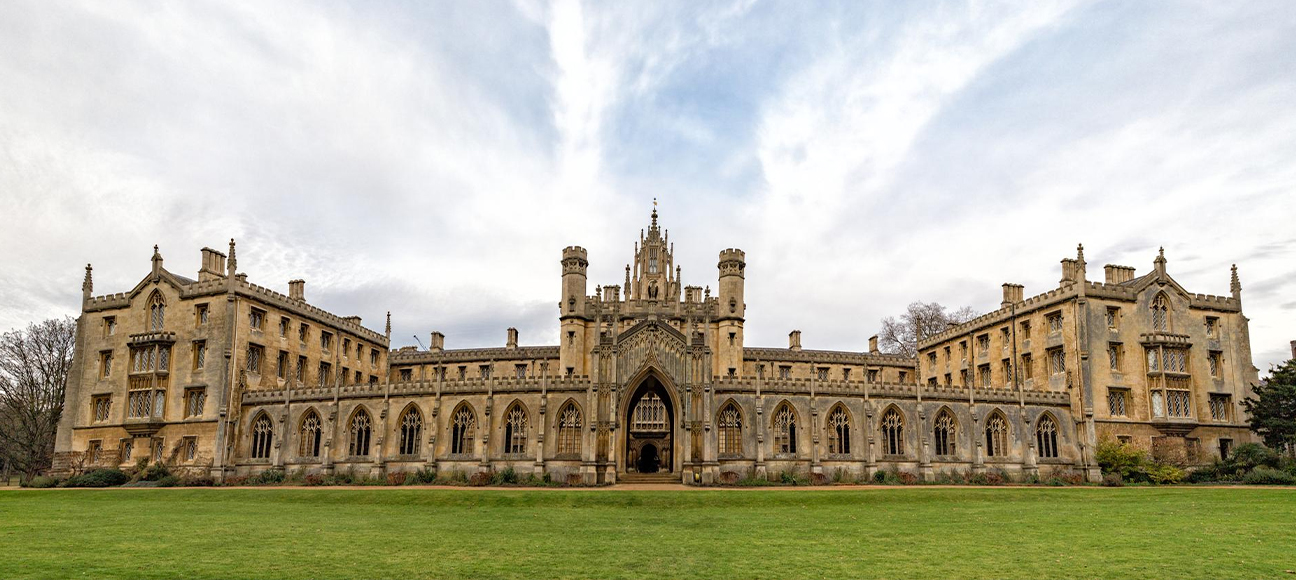
UK Universities Bracing for Impact as International Student Fee Levy Details Emerge
The introduction of a new £925 annual levy on international students attending English universities has…
By Ezra

The Two Sides of UK Study Visas: Demand Holds Steady as Family Dreams Are Dented
The latest Home Office migration statistics paint a complex picture for the UK’s international…
By Daniel

UK Universities Brace for £330 Million Hit from New International Student Tax
England’s higher education sector is facing a potentially devastating financial blow, with new government plans…
By Henry

Uzbekistan’s Global Education Leap: Diplomas Gain Worldwide Recognition
Uzbekistan has marked a significant moment for its higher education sector, stepping onto the global…
By Jace

US Ambassadors Demand End to Student Visa Crackdown
A powerful cross-party group of more than 60 former US ambassadors and senior diplomats has made an urgent…
By Neerav

Malta’s English Schools: The High Cost of the Discount Habit
The sun-drenched island of Malta has long been a top destination for students from across the globe looking…
By Vaidant
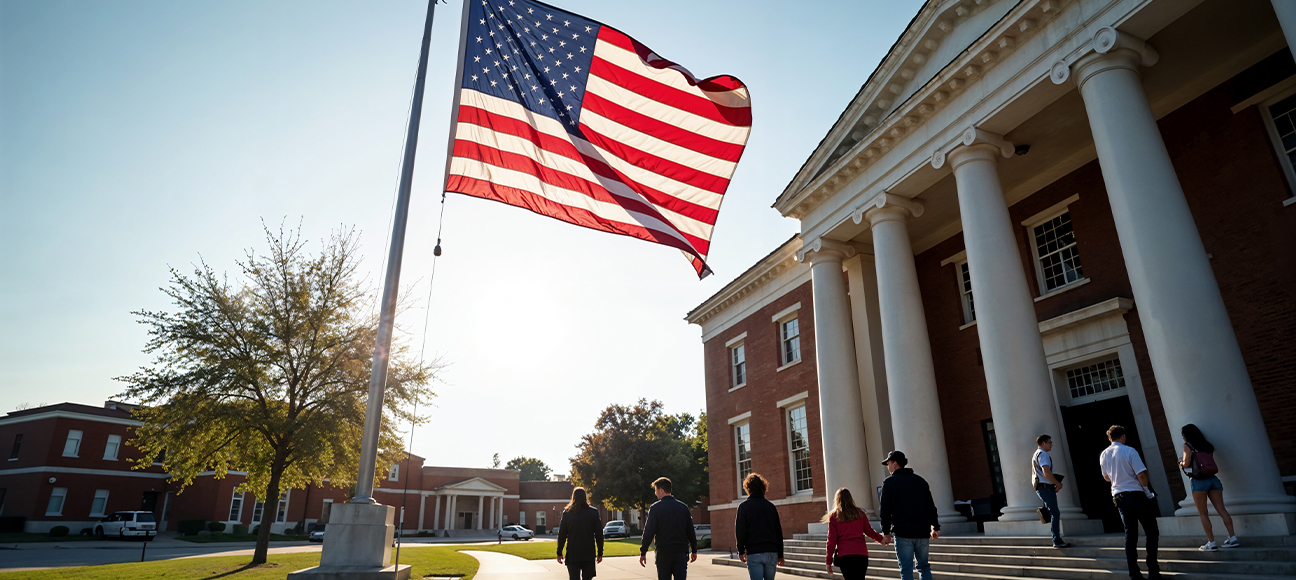
A Breath of Fresh Air for Global Students: The US Plans to Scrap the ‘Intent to Leave’ Visa Rule
For generations of aspiring international students, securing a US F-1 study visa has been a high-stakes, nerve-wracking…
By Aahana

Rethinking the ROI: Indian Students Weigh Alternatives as US Immigration Uncertainty Grows
For generations, the United States has stood as the gold standard for higher education, especially in the coveted…
By Daniel

European Campuses Overtake US as Top Choice for Indian Students
For decades, the United States has been the ultimate prize for ambitious Indian students looking to secure a world-class…
By Daniel

US Study Abroad Programmes in Limbo as State Department Takes Over
The landscape of US international education is undergoing a seismic shift. In a move that has both relieved and…
By Kai

Green Light for Education Overhaul: Aussie Bill Edges Closer to Law
The wheels of Australian parliament are turning once again on a critical piece of legislation, as a key Senate…
By Siya

London’s Business Elite Back Global Graduates as Vital to UK Success
A recent survey has delivered a resounding message from London’s business leaders: international graduates…
By Ezra

Canada’s Big Squeeze: What the Budget Means for Global Students
The Canadian government has sent a clear message with its 2025 federal budget: the welcome mat for new…
By Henry

Enrolments Fall in North America as Students Turn to Asia and Europe
North America — particularly the U.S. and Canada — is experiencing a noticeable decline in international student enrolment…
By Advay

China and Japan Release Safety Alerts for Students Amid Growing Tensions
China and Japan have both issued fresh safety advisories for their students studying abroad, reflecting increasing…
By Aahana

Australia Issues a Tough Warning Over Student Visa Integrity Threats
The Department of Home Affairs (DHA) in Australia has raised the alarm about growing risks to the integrity of the…
By Henry

International Enrolments at UK Business Schools Show Signs of Recovery
International student numbers at UK business schools are slowly bouncing back after a challenging few years…
By Ezra

UK Business Schools See Promising Turnaround in Overseas Student Intake
The landscape for UK business schools is showing welcome signs of improvement in international student…
By Daniel

New Zealand Raises Work-Hour Cap for International Students — and Issues Exploitation Warning
From 3 November 2025, eligible international students in New Zealand will be allowed to work up to 25 hours per week…
By Siya

Germany’s Skills Hunt: Top High-Demand Jobs for Global Talent
Germany is fast becoming the go-to destination for skilled professionals from around the world, especially as other popular…
By Jace

Russian Boost for Indian Students: 300 Scholarships on Offer
Indian students dreaming of a world-class education with a touch of adventure have just been handed a fantastic…
By Neerav

IELTS ‘Technical Glitch’ Sparks Global Score Chaos and Apology
The International English Language Testing System (IELTS) has issued a significant apology following the discovery of…
By Vaidant

CBSE Draft Curriculum Proposes Widespread Integration of Computational Thinking and AI
The Central Board of Secondary Education (CBSE) has prepared a progressive draft curriculum aimed at…
By Jace

Malta Sees 27% Surge in International Higher Education Students
Malta is emerging as a significant player in the global education market, with new statistics confirming a dramatic surge in…
By Daniel